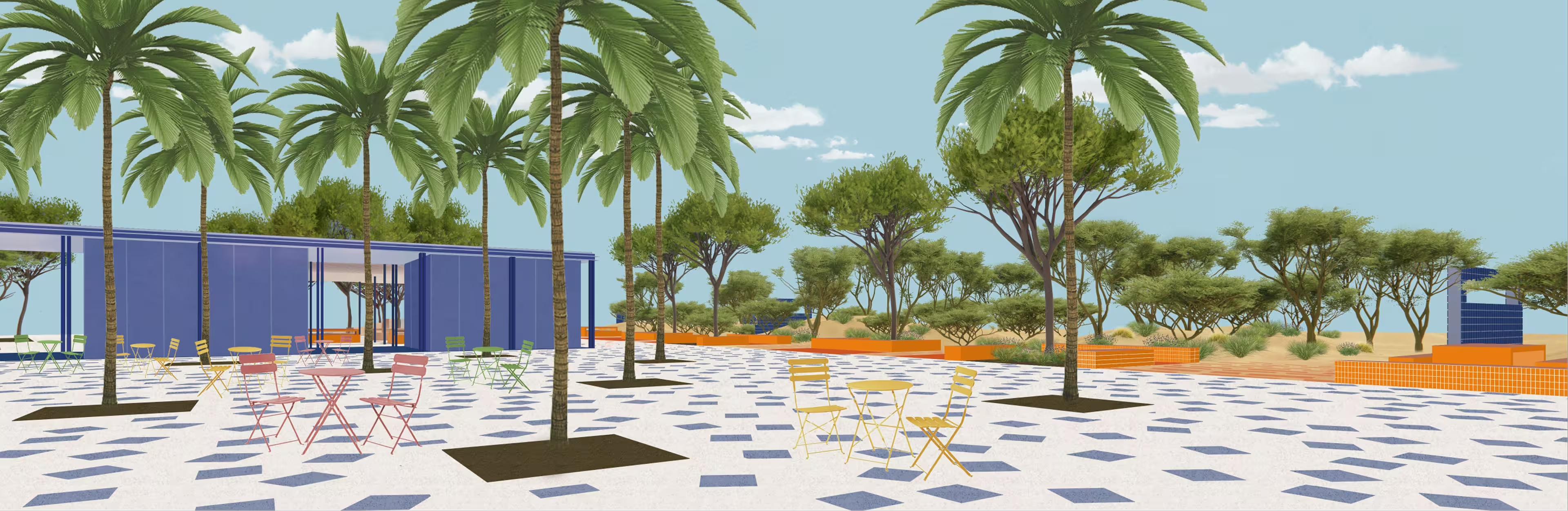
The area: Varadero-Cantera

The area
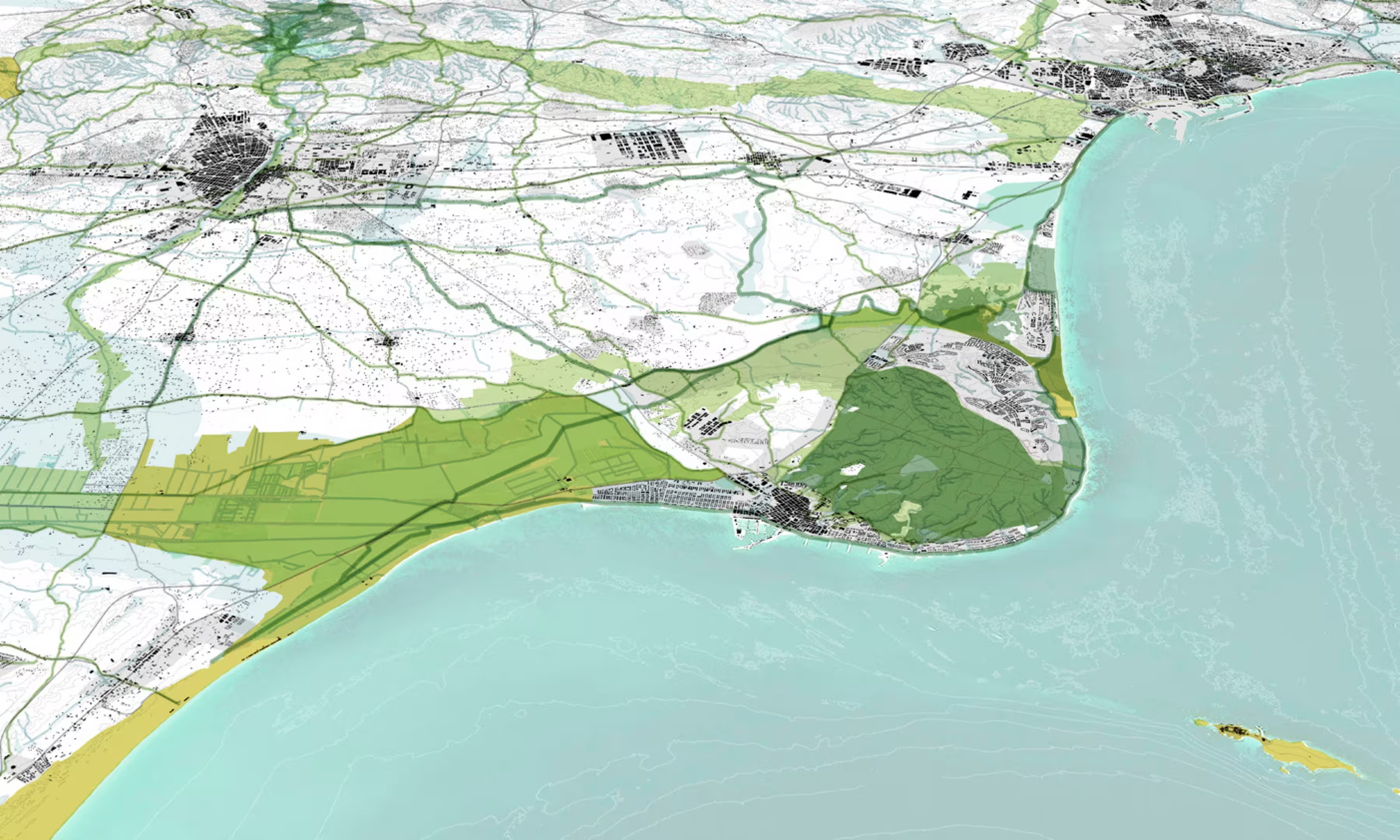
The project is located in the privileged area of the municipality; the Levante expansion
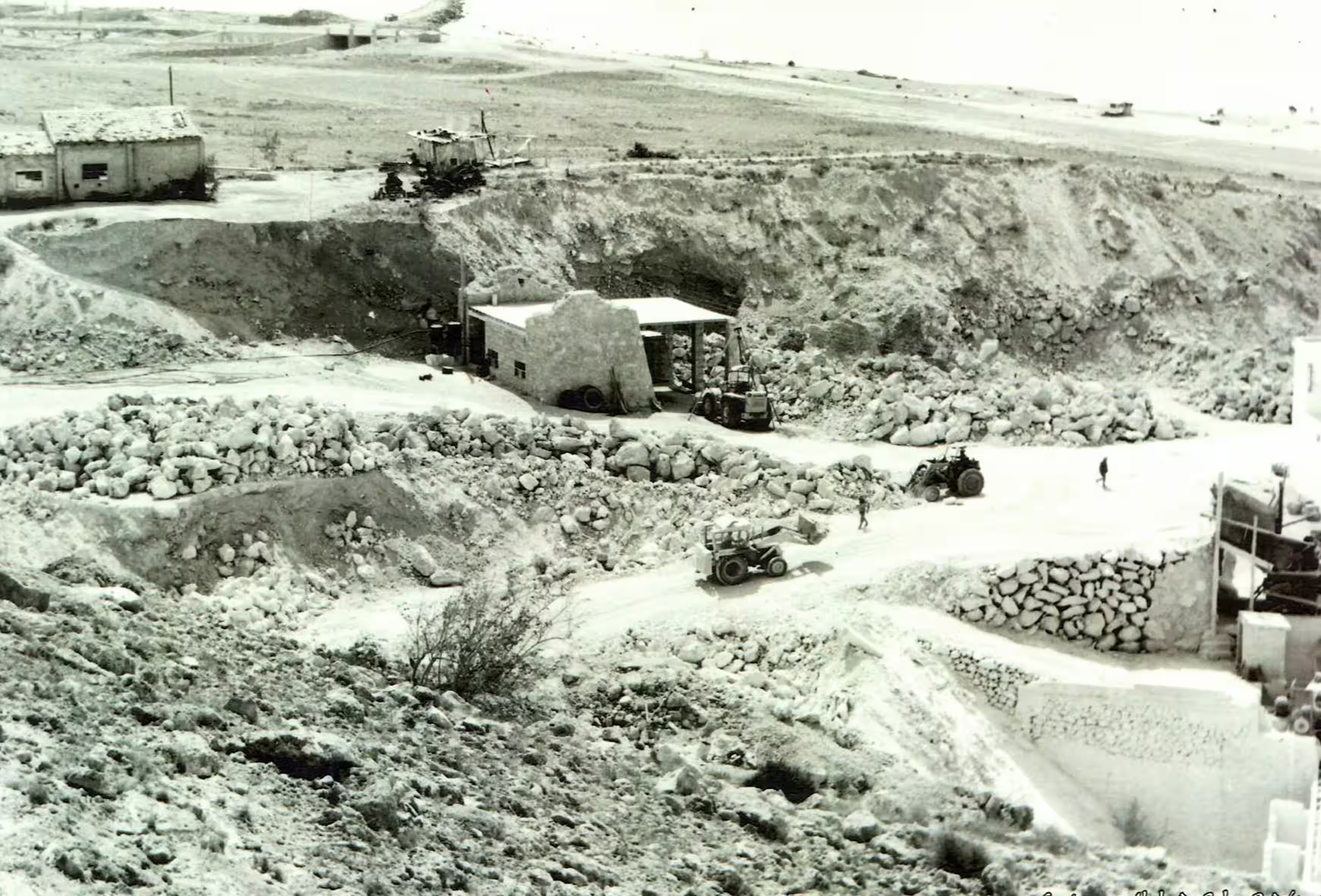
An urban development running parallel to the coast, with land of different classifications and uses. The project area has its historical origin (1923) in the Quarry, from which material was extracted for the breakwater of the Torrevieja harbour dyke, a town located at the other end of the Santa Pola bay. More specifically, in the jetty of the stone landing and in the inclined plane that connected the quarry and the landing by a railway.
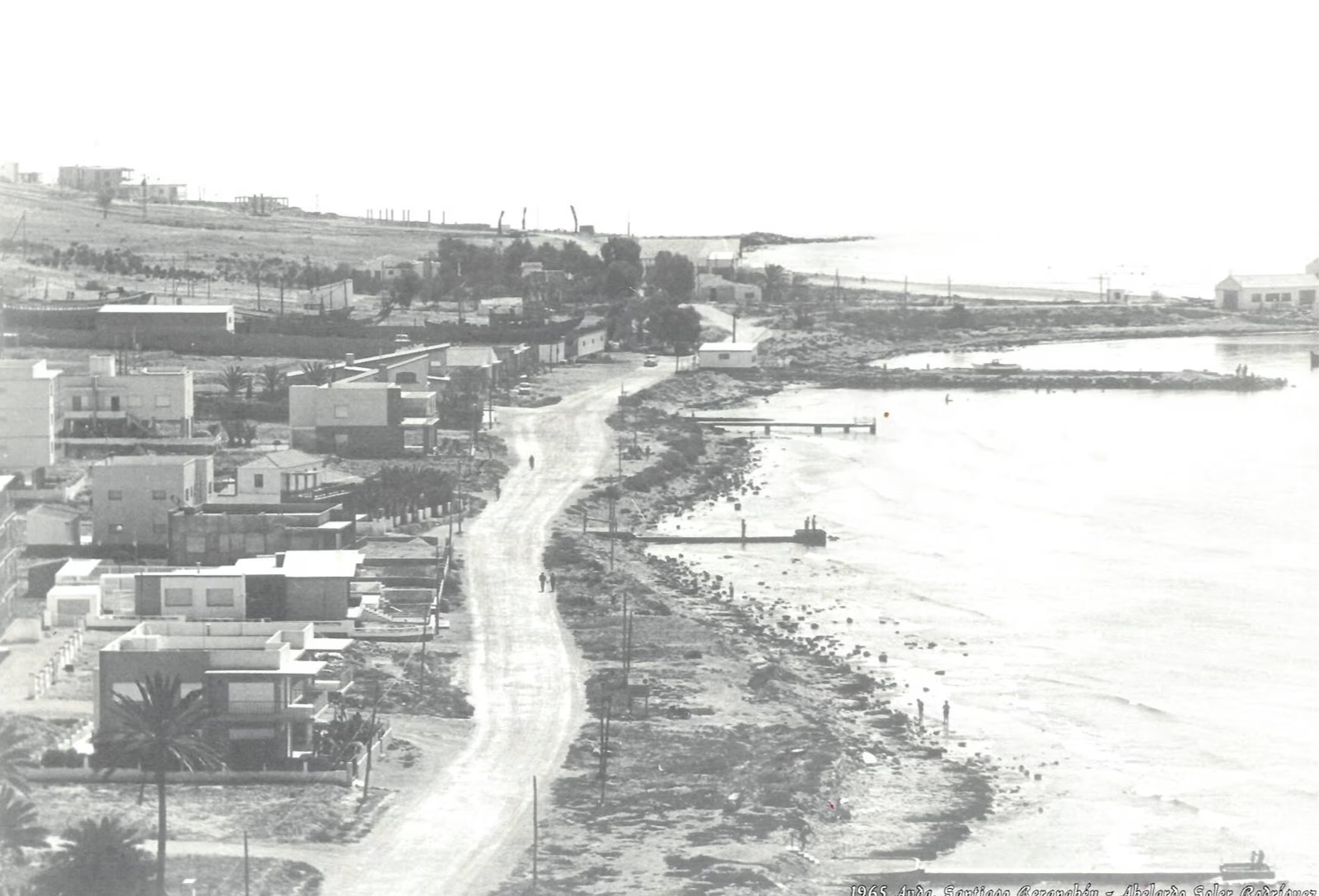
After the Civil War (1946), sheltered by the jetty—popularly known as the engineers' jetty—two slipways/shipyards were established to serve the town's important fishing fleet (still today the leading fleet in the Spanish Mediterranean).
Thus, the project scope comprises:
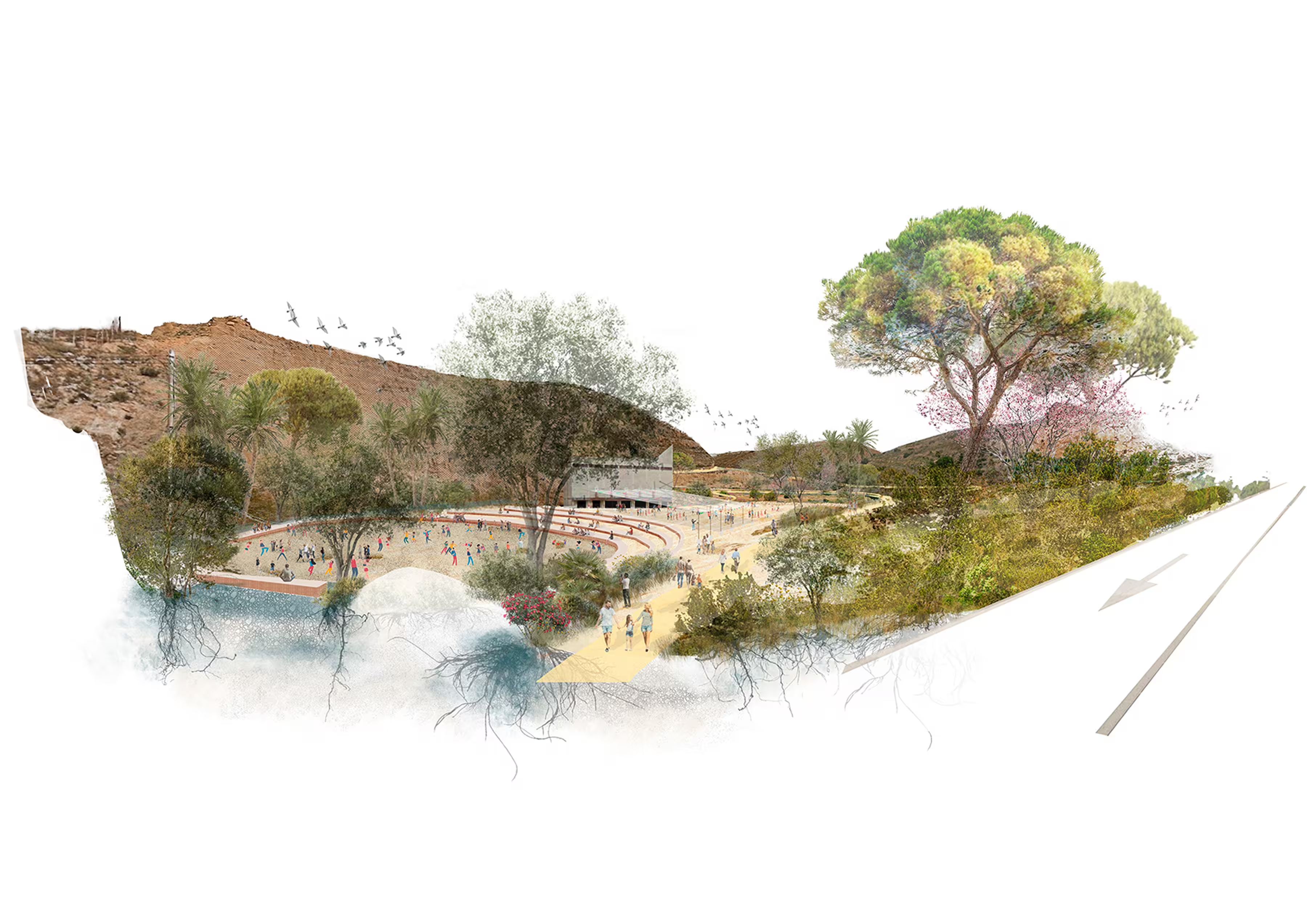
1.- The quarry, today, in disuse, which has left large level differences and cliffs.
2.- On the old inclined plane: some blocks of urban land and housing, all crossed by infrastructure at different levels.
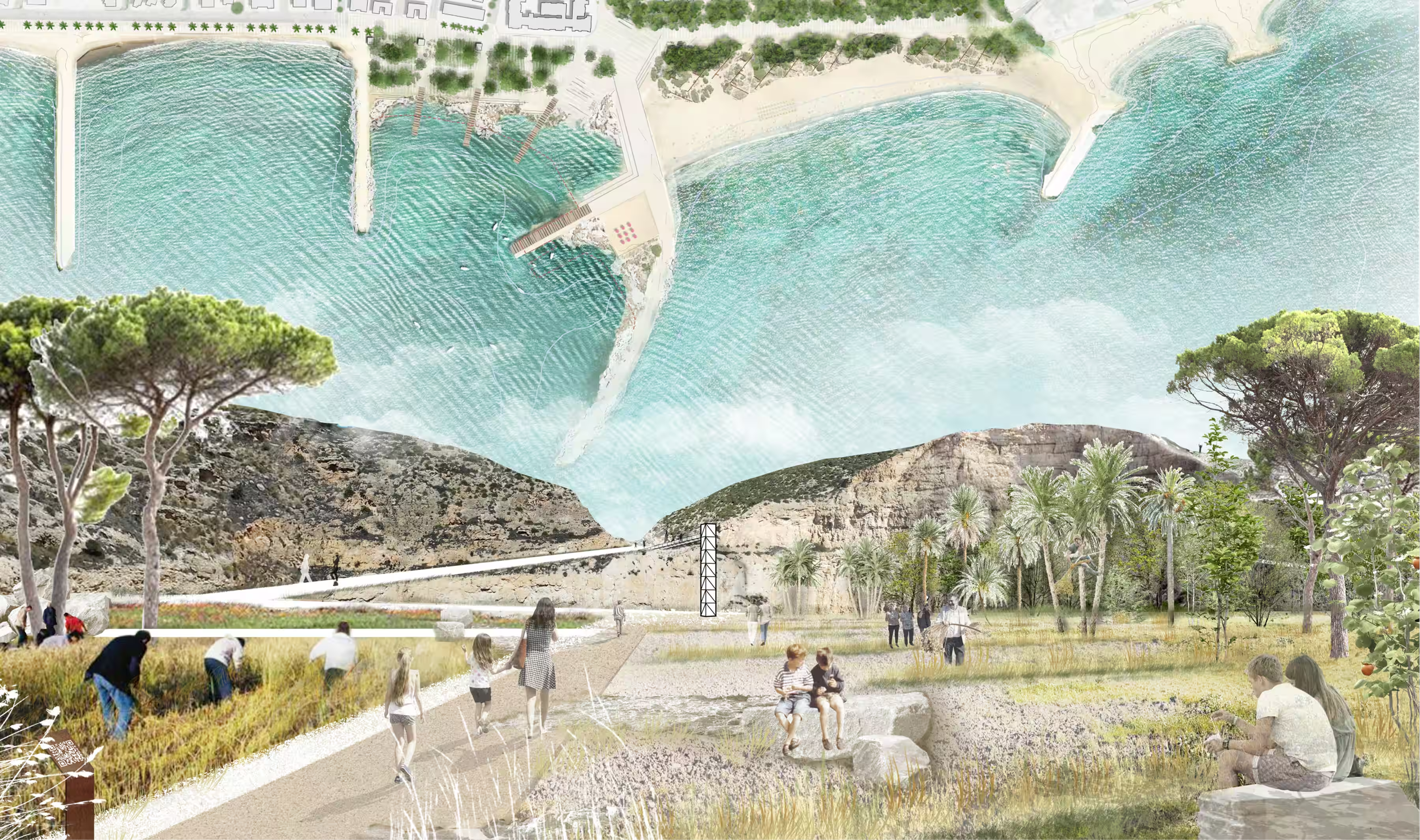
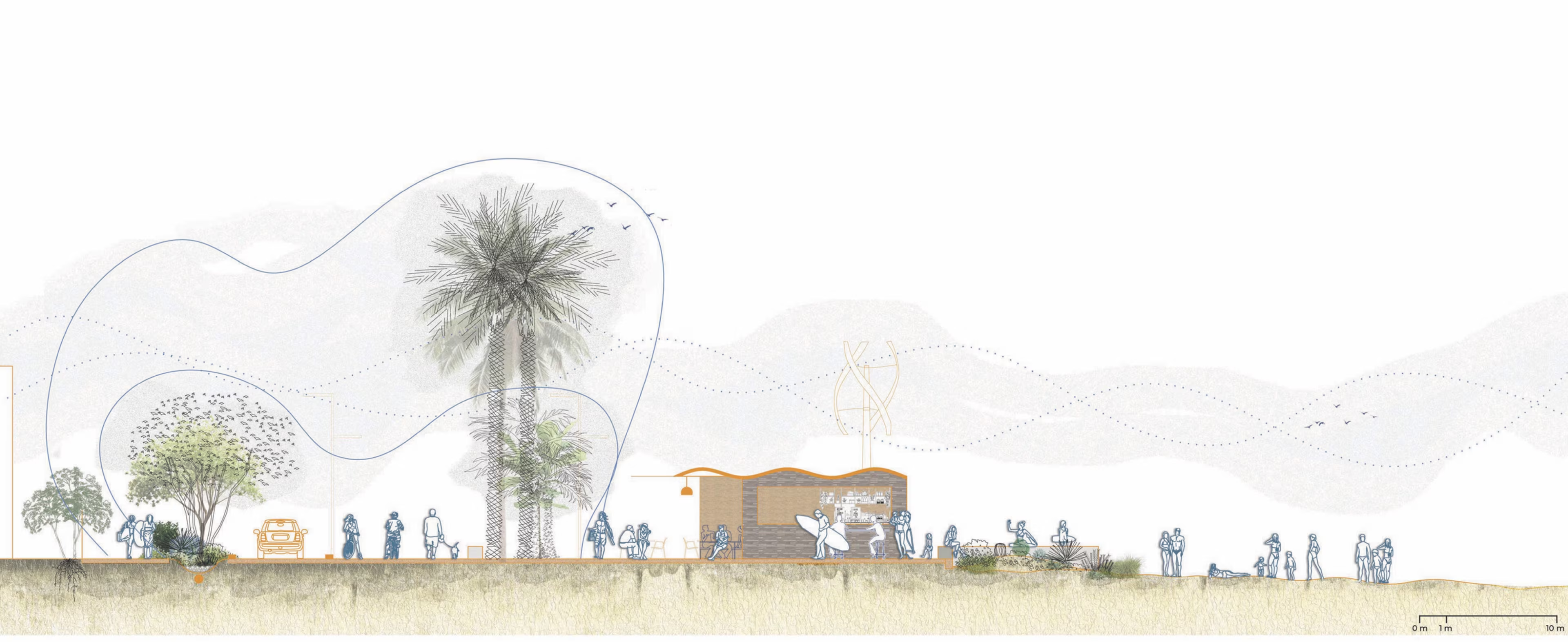
3.- And, on the front line, the Varadero beach, which housed the slipway and the warehouses of the two shipyards, now demolished.
Images


Objectives
It is necessary to undertake the regeneration of this area, which has become an urban void. But could necessity be used as the engine of regeneration?
Does regenerating mean restoring the ground's flatness or vegetation to the slopes? Would it be enough to regenerate the over-exploited area and remove the old sheds to restore centrality and previous use, cover the sloped ground and leave an empty space where ship-repair sheds once stood? Or would it be better to take advantage of the urban void for new activities?
Environmental studies consider the Varadero ideal for nautical sports. Behind the Varadero, the Quarry, currently Non-Developable Land, is a magnificent site: a window to the sea; however, we face planning limitations. And the question arises:
Should proposals follow existing planning, or should planning be modified by the proposals? We firmly believe that the territory and its complexity should guide planning.
Is it territorial planning, the administrations, the location, or the uses that can give meaning to this space again?.
Is it possible to shape the empty space and give it memory?.
How can we take advantage of the ways new generations inhabit and use their free time?.
Is rebirth compatible with forging an alliance between inhabited environments and natural elements?
Could this alliance restore the lost centrality of these spaces within territorial strategy?
Documents of interest
Links of interest
Go to all documentation
5
Finalist
projects
Twenty-five teams registered, of which 15 projects were submitted. The jury selected five finalists in its first session, held in Barcelona in July 2025. In the jury's second session, held in Lisbon in October 2025, the following awards were given: First Prize, Second Prize and a Special Mention.
Discover them