The Cape flows to the sea (and back again) - El Cabo fluye hacia el mar y de nuevo de vuelta
Valentina Piliego (IT), Melantho Theodosopoulou (GR), Giovanna Bartoleschi (IT), Evanthia Beristanou (GR), Daniel Gomez de Zamora Martinez (ES).
Special Mention
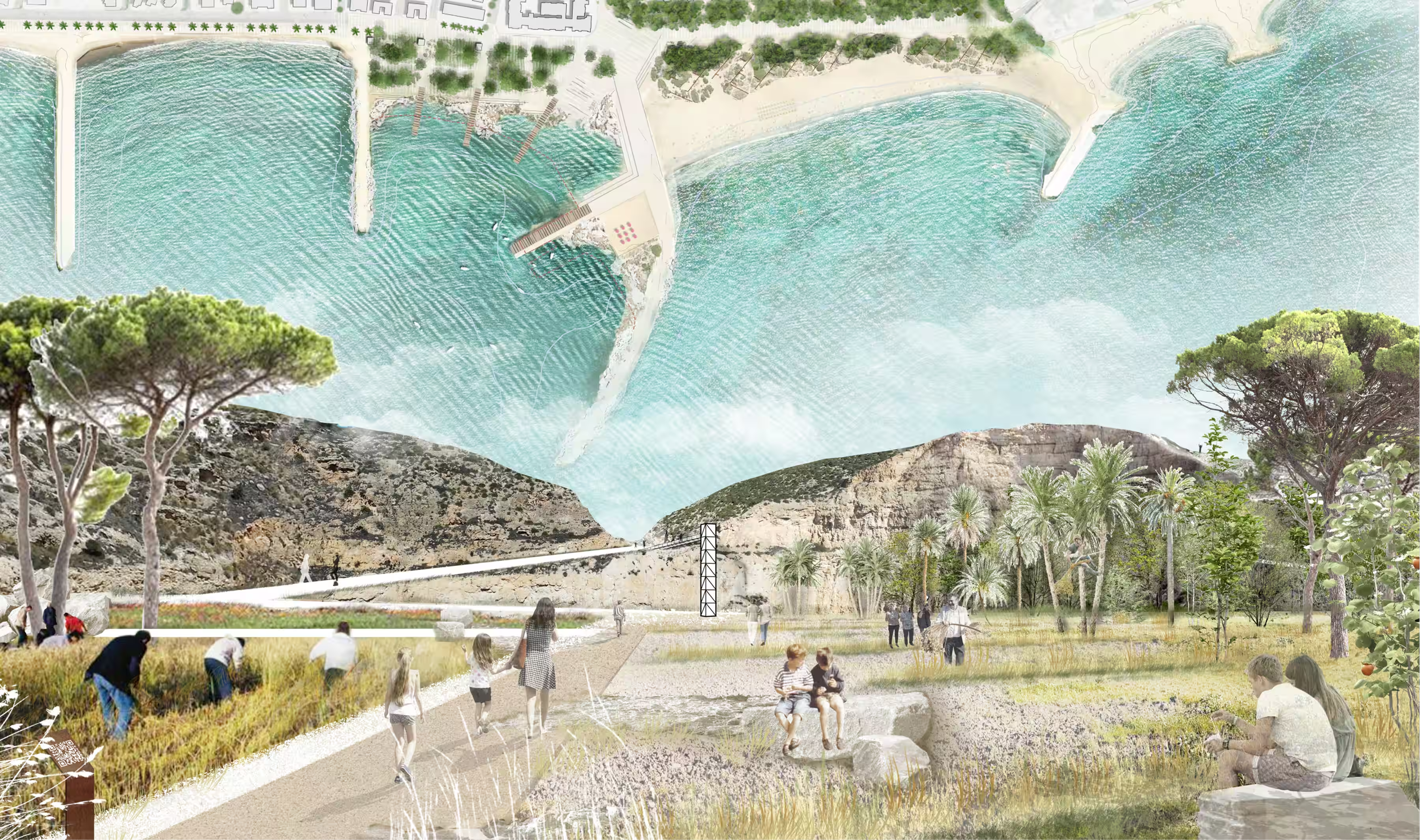
The project
Reinterpretation of Santa Pola's fossil atoll as a co-dependent system, driving ecological regeneration and climate resilience
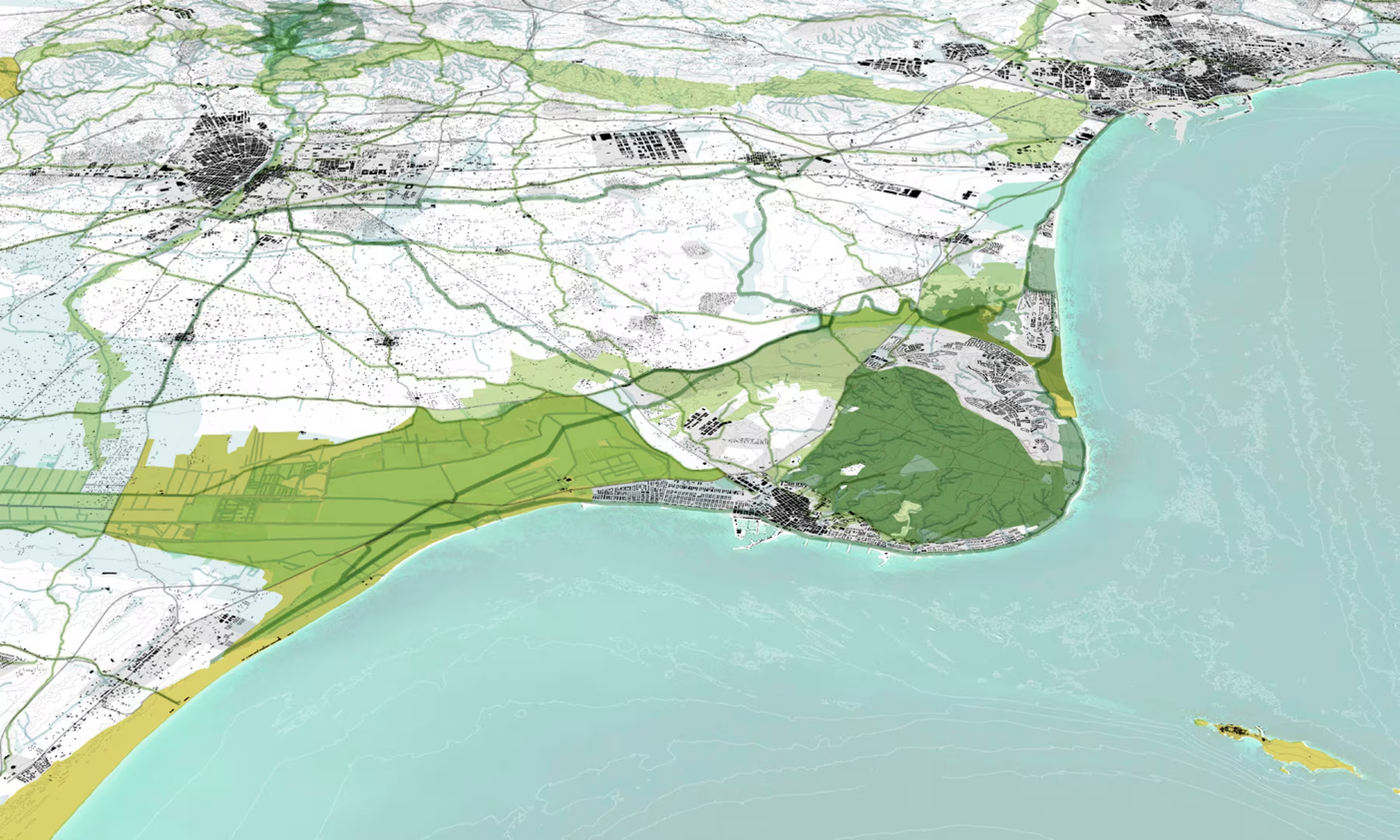
The project for Santa Pola (ES) reinterprets the fossil atoll of Cape Santa Pola as an integrated, natural and anthropogenic system. Santa Pola is established as the natural and ecological counterpart in the metropolitan area connected with Alicante and Elche. The vision recognizes nature as a subject with its own capacity for action and seeks to generate regenerative practices for ecological and human well-being in the face of threats from climate change and extreme phenomena, such as droughts and floods.
The strategy is based on three co-dependent systems:
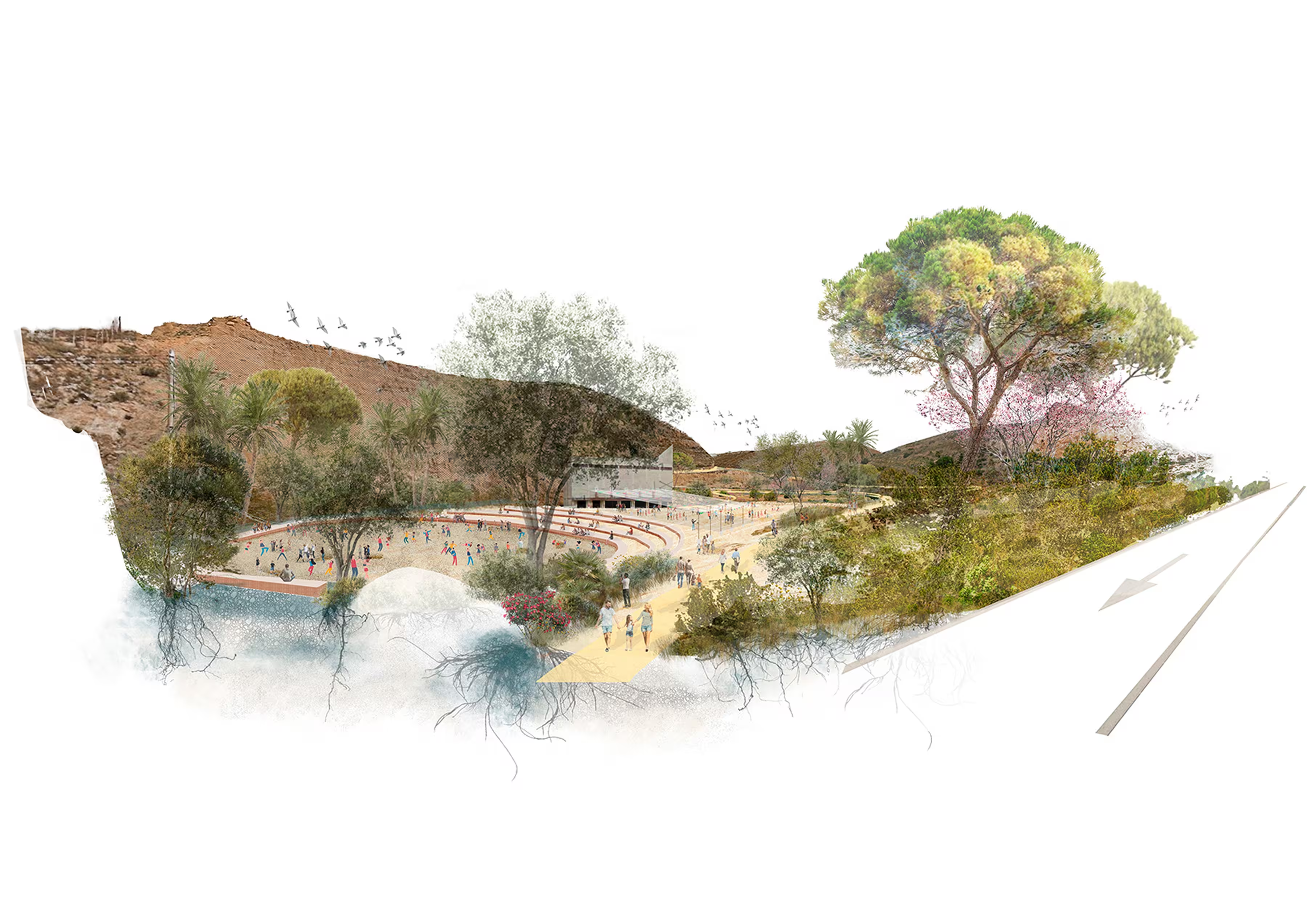
1. The Cape-City Buffer Zone transforms the Ronda del Norte, which was a barrier, into a green corridor that prioritizes pedestrian and cycling mobility, offering key ecosystem services, such as water retention in the face of DANA
2. The Transversal Ravine System links mountain, city and sea, functioning as habitat corridors that facilitate species movement.
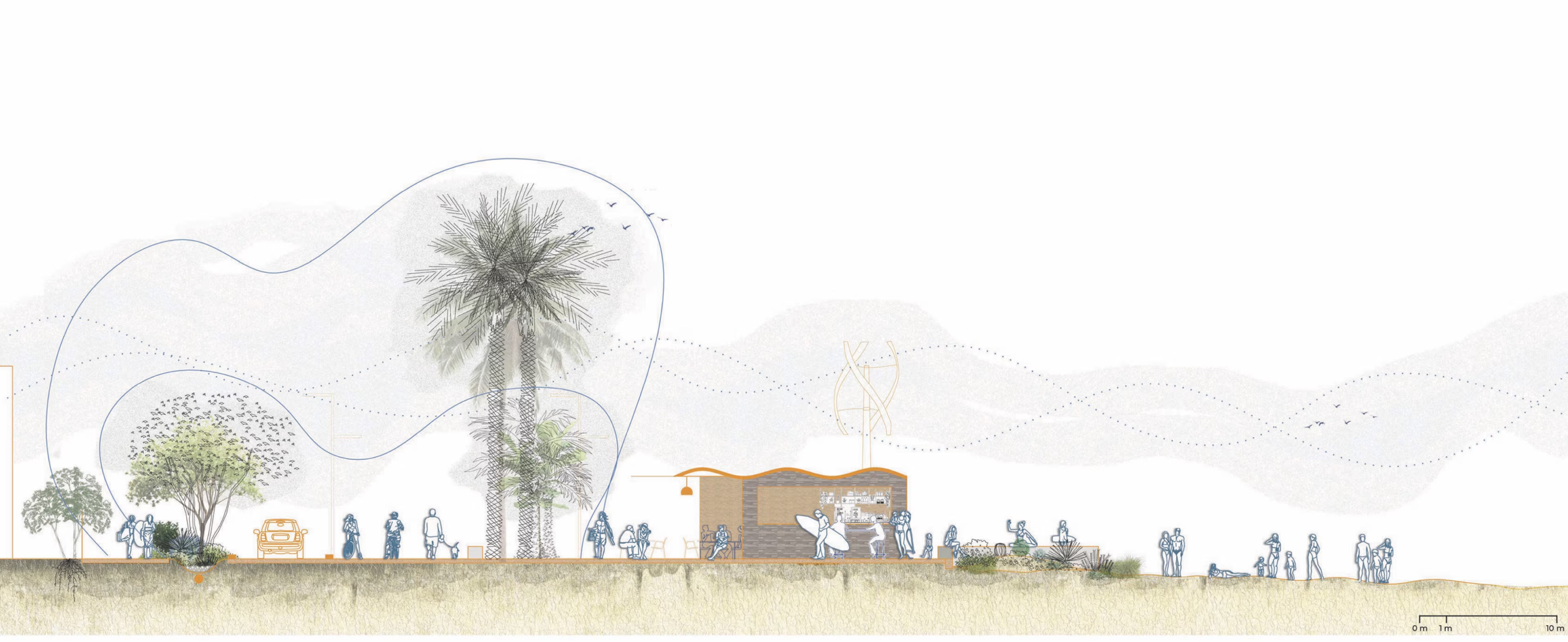
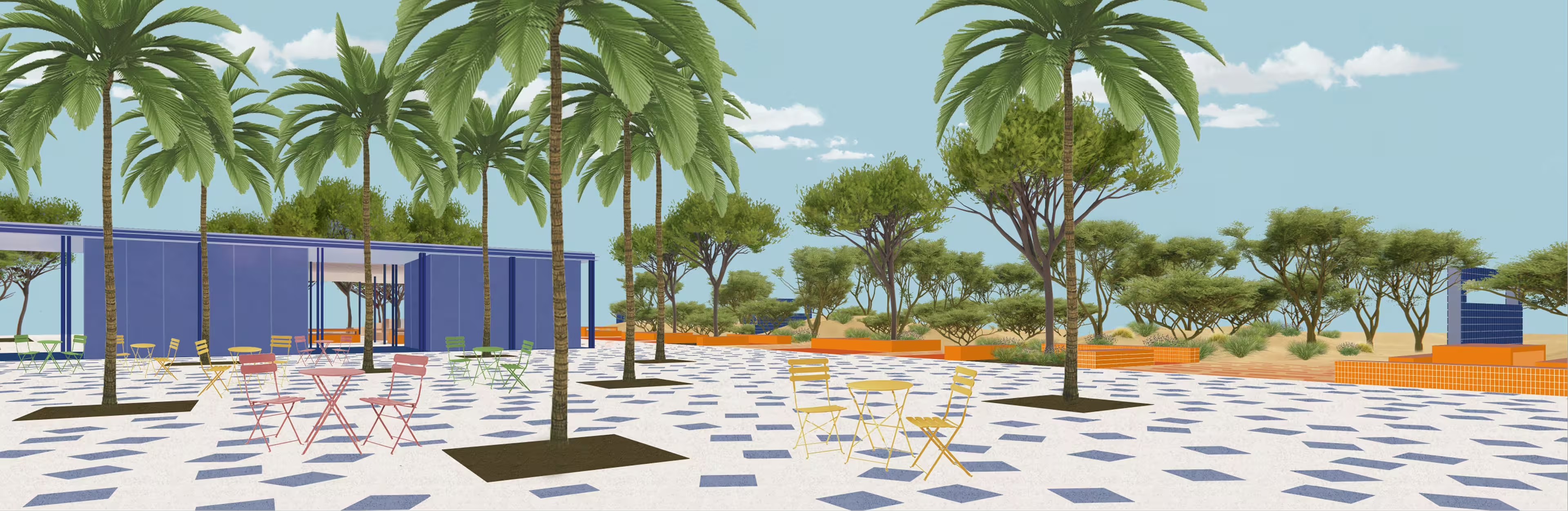
3. The City-Sea Buffer includes selective dune restoration on Varadero Beach for protection against rising sea levels and the creation of Breakwater Park on the dock, a solid coastal defense with recreational uses. In this approach, the city becomes a platform for regeneration


Jury evaluation
In this project, the jury highlighted the structuring of the territory following the traces of the ancient atoll as an integrated system that is both natural and anthropogenic. It proposes, in a large-scale approach, the creation of resilient linear landscape structures that combine ecological and social vocations. Its objective is to delay violent phenomena related to DANAs, which generate rains and storms, create intermediate refuge zones between environments and anticipate rising water levels.
These devices are staggered on the slope, between the sierra and the city (green corridor around the Ronda del Norte), between the sea and the land (fixing the coastline) and are connected transversely through the ravines.
The proposed developments at the project sites illustrate different strategies for ecological deployment, commitment programming and use recovery.
For the upper quarry: natural reserve, water reservoir and geological site.
For the lower quarry, integration into the city and creation of public spaces around a research and development center for Posidonia.
For the axis towards the sea, pacification and greening.
For the waterfront, combination of dune renaturalization with reinforcement of breakwater defenses.
The cape flows
to the sea (and back again)
Participate
Your opinion matters
Awarded projects
Discover all the awarded
projects.